Air conditioning systems have become an essential part of modern life, especially in regions where temperatures rise to uncomfortable or even dangerous levels during summer months. Whether installed in homes, offices, shopping centers, hospitals, or vehicles, air conditioners play a major role in maintaining comfort, productivity, and indoor air quality. However, one of the most frustrating experiences homeowners and business owners face is dealing with a breaking AC system. The phrase “breaking AC” is commonly used to describe air conditioners that suddenly stop working, lose cooling efficiency, produce strange sounds, leak water, or develop mechanical and electrical problems.
When an air conditioner starts failing, it can create significant discomfort and financial stress. Many people ignore early warning signs until the problem becomes severe and expensive to repair. Unfortunately, AC systems are complex machines made up of multiple interconnected components, and even a small malfunction can eventually damage the entire unit if left untreated.
The increasing dependence on air conditioning technology means that understanding how these systems work and why they break down is more important than ever. A well-maintained AC unit can last many years while operating efficiently and saving energy costs. On the other hand, poor maintenance, overuse, electrical issues, and environmental conditions can shorten an air conditioner’s lifespan dramatically.
This detailed guide explores everything related to breaking AC systems, including common causes of failure, warning signs, repair methods, maintenance practices, energy efficiency concerns, costs, and long-term prevention strategies. Whether you own a central air system, split AC, portable unit, or window air conditioner, understanding these concepts can help you avoid expensive repairs and maintain indoor comfort throughout the year.
What Does Breaking AC Mean?
The term “breaking AC” generally refers to an air conditioning system experiencing operational problems or complete failure. This can happen gradually over time or suddenly without warning. In many cases, the phrase describes situations where the unit no longer cools properly, turns on inconsistently, produces unusual sounds, leaks water, emits unpleasant odors, or stops functioning entirely.
Air conditioners are mechanical systems containing compressors, coils, fans, filters, refrigerant lines, electrical components, thermostats, and drainage systems. Since so many parts work together simultaneously, problems can develop for many different reasons.
Some AC problems are relatively minor and easy to fix, such as replacing a dirty air filter or resetting a thermostat. Others are far more serious and may involve compressor failure, refrigerant leaks, electrical damage, or motor breakdowns.
Understanding the meaning of breaking AC systems is important because early diagnosis often prevents larger and more expensive damage later. Many homeowners ignore weak airflow or unusual noises, assuming the system will recover on its own. Unfortunately, delayed action often worsens the problem.
Common Causes of AC Breakdown
Air conditioners can fail for numerous reasons, but some causes appear more frequently than others. Understanding these common issues helps homeowners recognize problems before complete system failure occurs.
One major cause of AC breakdown is lack of maintenance. Many people forget that air conditioners require regular servicing to function properly. Dirty filters, clogged coils, blocked drainage systems, and neglected components place excessive strain on the system over time.
Another common cause is refrigerant leakage. Refrigerant is the substance responsible for absorbing heat and cooling indoor air. If refrigerant levels become too low due to leaks, the AC loses cooling efficiency and may eventually stop working completely.
Electrical problems also contribute heavily to breaking AC systems. Faulty wiring, damaged capacitors, blown fuses, and overloaded circuits can prevent the unit from operating safely.
Compressor failure is among the most serious and expensive AC problems. The compressor acts as the heart of the cooling system by circulating refrigerant. When it fails, the entire cooling process becomes disrupted.
Overuse during extremely hot weather can also damage air conditioners. Running a unit continuously for long periods increases stress on motors, fans, and compressors, especially if maintenance is poor.
Environmental conditions such as dust, humidity, debris, and poor ventilation further increase the likelihood of system breakdowns.
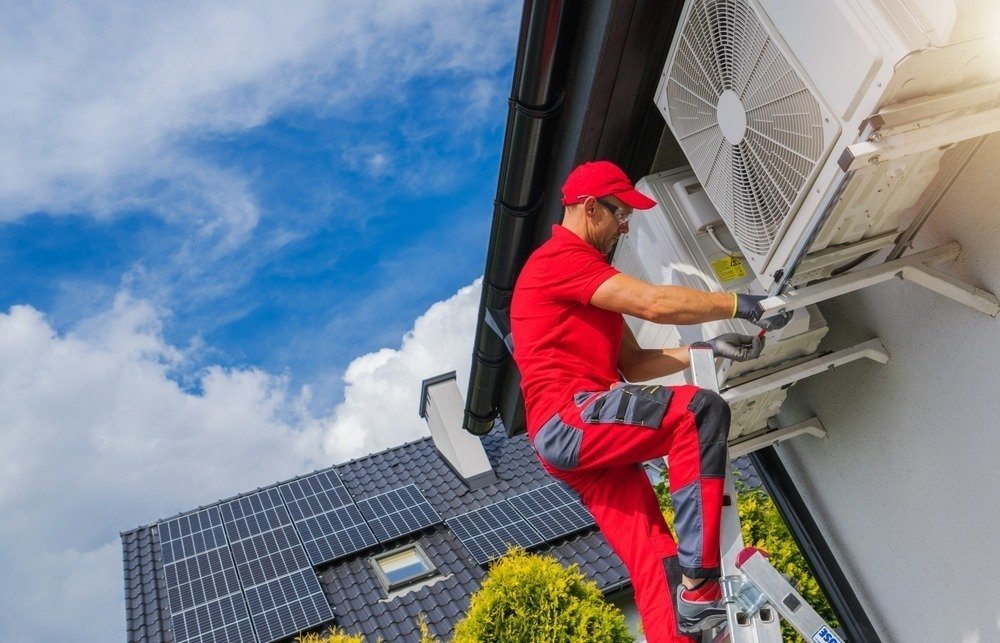
Dirty Air Filters and System Damage
One of the simplest yet most overlooked causes of breaking AC systems is dirty air filters. Air filters trap dust, dirt, allergens, and airborne particles before they enter the cooling system.
Over time, these filters become clogged and restrict airflow. Reduced airflow forces the AC system to work much harder to maintain indoor temperatures.
This extra strain increases energy consumption, reduces cooling efficiency, and raises the risk of overheating. In severe cases, restricted airflow can even freeze evaporator coils, causing further damage.
Dirty filters also negatively affect indoor air quality. Dust and pollutants may circulate throughout the home, potentially worsening allergies and respiratory issues.
Fortunately, replacing or cleaning air filters is inexpensive and easy. Most experts recommend checking filters monthly and replacing them regularly depending on usage conditions.
Refrigerant Leaks and Cooling Problems
Refrigerant is essential for the cooling process. It absorbs indoor heat and transfers it outside through the AC system.
When refrigerant leaks occur, cooling performance drops significantly. Homeowners may notice that rooms no longer cool effectively even when the unit runs continuously.
Low refrigerant levels can also cause ice formation on coils, unusual hissing sounds, and compressor overheating. If ignored, refrigerant problems may eventually destroy the compressor entirely.
Leaks usually occur because of corrosion, damaged connections, or aging refrigerant lines. Since refrigerants require careful handling and environmental safety procedures, repairs should always be performed by qualified HVAC professionals.
Ignoring refrigerant leaks not only damages the AC system but also increases electricity bills because the unit must work harder to achieve desired temperatures.
Compressor Failure
The compressor is often considered the most important component in an air conditioning system. It circulates refrigerant between indoor and outdoor units, enabling heat transfer and cooling.
Compressor failure is one of the most expensive AC repairs because replacing this component requires specialized labor and materials.
Several factors contribute to compressor damage:
- Low refrigerant levels
- Dirty coils
- Electrical issues
- Overheating
- Lack of maintenance
- Voltage fluctuations
A failing compressor may produce loud noises, reduced cooling performance, hard starting, or complete system shutdown.
Because compressors are expensive, preventing damage through regular maintenance is extremely important.
Electrical Issues in AC Systems
Modern air conditioners rely heavily on electrical systems for operation. Capacitors, contactors, relays, wiring, and circuit boards all work together to power fans, compressors, and thermostats.
Electrical problems are a major cause of breaking AC systems. Loose wiring, damaged circuits, and power surges can interrupt system operation or create dangerous conditions.
Capacitors are especially vulnerable because they help start and run motors. When a capacitor fails, the AC may struggle to start or stop functioning entirely.
Frequent electrical problems may indicate larger issues such as unstable household wiring or overloaded circuits.
Regular inspections help identify electrical wear before complete failures occur.
Frozen Evaporator Coils
Frozen evaporator coils are another common AC problem. These coils absorb heat from indoor air, but when airflow becomes restricted or refrigerant levels drop, ice may form on the coils.
Frozen coils reduce cooling efficiency dramatically and may eventually stop airflow entirely.
Common causes include:
- Dirty filters
- Blocked vents
- Refrigerant leaks
- Fan problems
- Low temperatures
Homeowners often notice weak airflow, ice buildup, or water leakage after the ice melts.
Ignoring frozen coils can damage compressors and other components.
Water Leaks and Drainage Problems
Air conditioners naturally remove humidity from indoor air during cooling. This moisture normally exits through a drainage system.
However, clogged drain lines or damaged drainage pans may cause water leaks around the indoor unit.
Water leakage can damage walls, ceilings, flooring, and furniture while also encouraging mold growth.
Common drainage problems include:
- Algae buildup
- Dust accumulation
- Broken drain pans
- Improper installation
Routine cleaning helps prevent moisture-related damage.
Strange Noises From AC Units
Unusual sounds are often early warning signs of mechanical problems.
Different noises may indicate different issues:
- Banging sounds may suggest loose components
- Grinding noises can indicate motor problems
- Hissing may point to refrigerant leaks
- Clicking sounds may involve electrical issues
- Screeching often relates to fan or belt damage
Ignoring strange sounds usually allows problems to worsen over time.
Professional inspections should be scheduled whenever unusual noises appear.
AC Overheating Problems
Overheating occurs when AC systems operate under excessive stress.
Common causes include:
- Dirty coils
- Poor airflow
- Continuous operation
- Electrical problems
- Hot outdoor conditions
Overheating damages motors, compressors, and wiring.
Proper ventilation and maintenance reduce overheating risks significantly.
Importance of Regular Maintenance
Regular maintenance is the most effective way to prevent breaking AC systems.
Professional servicing typically includes:
- Cleaning coils
- Checking refrigerant levels
- Inspecting electrical systems
- Lubricating moving parts
- Cleaning drain lines
- Replacing filters
Preventive maintenance improves efficiency, lowers energy costs, extends equipment lifespan, and reduces repair expenses.
Many expensive AC failures are preventable through simple routine care.
Energy Efficiency and AC Health
An unhealthy AC system often consumes far more electricity than necessary.
Dirty filters, refrigerant leaks, and worn components force the unit to work harder.
This increases monthly utility bills while reducing cooling performance.
Modern energy-efficient systems use advanced technologies that reduce strain and improve long-term reliability.
Proper insulation, thermostat settings, and airflow management also contribute to healthier AC performance.
Signs Your AC Needs Immediate Repair
Several warning signs indicate urgent repair needs:
- Warm air blowing from vents
- Weak airflow
- Frequent cycling
- Unusual smells
- Water leakage
- Loud noises
- Rising electricity bills
- Inconsistent cooling
Ignoring these symptoms often leads to more severe and expensive damage.
Quick professional diagnosis prevents minor issues from becoming major failures.
DIY Maintenance Tips
While major repairs require professionals, homeowners can perform simple maintenance tasks.
Helpful practices include:
- Replacing air filters regularly
- Cleaning outdoor units
- Keeping vents unblocked
- Monitoring thermostat settings
- Inspecting visible drainage lines
- Removing nearby debris
These small steps improve efficiency and reduce strain on the system.
Professional AC Inspections
Professional HVAC technicians possess specialized tools and training for diagnosing hidden problems.
Annual inspections are highly recommended because technicians can detect:
- Refrigerant leaks
- Electrical wear
- Motor damage
- Airflow issues
- Efficiency problems
Professional servicing often saves money by preventing larger breakdowns.
Cost of AC Repairs
Repair costs vary widely depending on the problem.
Minor repairs such as filter replacements or capacitor repairs may be relatively affordable.
Major issues like compressor replacement, refrigerant system repairs, or motor failures can become extremely expensive.
Factors affecting repair costs include:
- AC type
- System age
- Replacement parts
- Labor rates
- Severity of damage
Preventive maintenance is usually far cheaper than emergency repairs.
When to Replace an AC System
Sometimes replacing an old AC unit becomes more cost-effective than repeated repairs.
Signs replacement may be necessary include:
- Frequent breakdowns
- High repair costs
- Rising energy bills
- Poor cooling performance
- Outdated technology
- Systems older than 10–15 years
Modern units provide improved efficiency, quieter operation, and better reliability.
Smart Technology and Modern AC Systems
Modern air conditioners increasingly include smart technology features such as:
- Wi-Fi connectivity
- Smart thermostats
- Energy monitoring
- Remote controls
- Automated maintenance alerts
These innovations improve convenience and efficiency while helping users identify problems earlier.
Smart systems may reduce long-term maintenance costs by detecting issues before major breakdowns occur.
Environmental Factors Affecting AC Lifespan
Climate conditions strongly influence AC durability.
Extreme heat, humidity, dust, pollution, and salty coastal air accelerate wear and corrosion.
Proper installation, maintenance, and protective coverings help reduce environmental damage.
Homeowners living in harsh climates should schedule more frequent servicing.
The Future of Air Conditioning Systems
The future of air conditioning technology focuses heavily on sustainability, efficiency, and automation.
Manufacturers continue developing systems that:
- Consume less energy
- Use environmentally safer refrigerants
- Operate more quietly
- Require less maintenance
Artificial intelligence and predictive diagnostics may eventually allow AC systems to identify problems automatically before failures occur.
Conclusion
Breaking AC systems can create major discomfort, financial stress, and energy inefficiency, especially during extreme weather conditions. Understanding the causes behind air conditioner failures helps homeowners and businesses respond quickly before small issues become expensive disasters.
From dirty filters and refrigerant leaks to compressor damage and electrical failures, air conditioning systems face many potential challenges throughout their lifespan. Fortunately, most serious problems can be prevented through regular maintenance, timely repairs, and proper usage habits.
Modern air conditioners are sophisticated systems that require care and attention to operate efficiently. Routine inspections, filter replacements, airflow management, and professional servicing significantly improve performance and durability.
Ultimately, investing in preventive maintenance not only extends the life of an AC system but also improves indoor comfort, lowers electricity costs, and reduces the likelihood of sudden breakdowns. As technology continues advancing, smarter and more efficient cooling systems will likely make AC ownership even more reliable in the future.
FAQs
What causes an AC system to break?
Common causes include dirty filters, refrigerant leaks, electrical issues, compressor failure, poor maintenance, and overheating.
How do I know if my AC needs repair?
Warning signs include weak airflow, warm air, strange noises, water leaks, unusual smells, and rising electricity bills.
Can dirty filters damage an AC unit?
Yes, dirty filters restrict airflow, increase strain on the system, reduce efficiency, and may cause overheating or frozen coils.
How often should AC maintenance be performed?
Most experts recommend professional maintenance at least once or twice a year, depending on usage and climate conditions.
Is it better to repair or replace an old AC?
If the system experiences frequent breakdowns, high repair costs, or poor efficiency, replacement may be more cost-effective than continued repairs.
Must Read:
Histogram vs Bar Graph: Understanding the Key Differences in Data Visualization